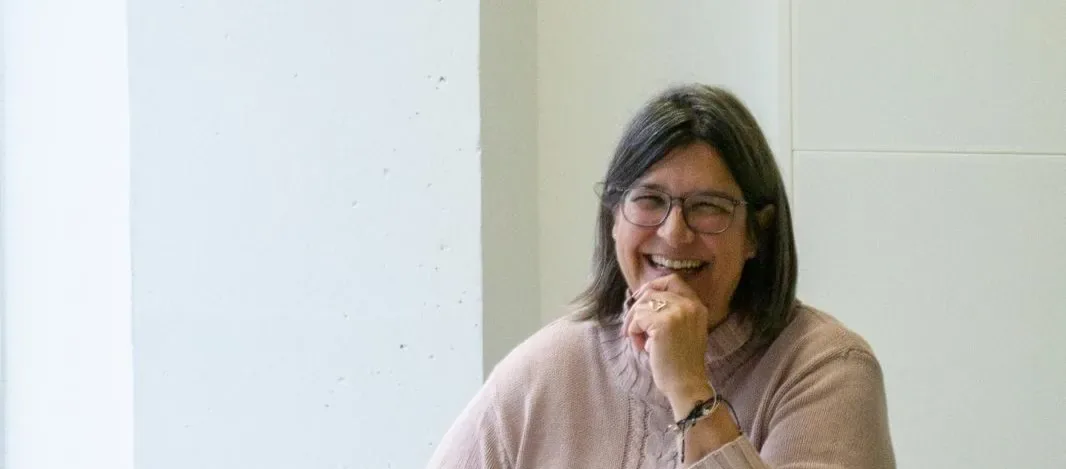
I thought I knew a lot about Model UN. I’d seen a dozen conferences, tracked committees, and even checked UN documents for reference. Then I spoke with William Yotive (Bill), and I realized I was only scratching the surface.
Bill has been part of the UN ecosystem for decades, but in his words, “Model UN is more than just simulating a committee, it’s about capturing the way the UN actually works.” He’s currently the Senior Education Officer and Content Manager for WFUNA, developing programs for MUN conferences and training students worldwide, but his experience spans back to the 1970s, when he attended his first MUN.
When Bill was at the UN in 2009, he helped organize the first MUN at the UN itself. Since then, he has been involved in conferences in Switzerland, Malaysia, and Korea, collaborating with governments and even working with a UN Secretary-General. “I’ve always wanted students to see the UN as it really functions,” he says. “Simulations give them the perspective of diplomacy, negotiation, and consensus, not just debate and speeches.”
Bill’s approach to MUN isn’t about flashy presentations or counting speeches. It’s about preparing students to represent countries accurately, think strategically, and engage in real negotiation processes. WFUNA conferences, for example, run up to 17 simulations at once, covering a wide range of UN bodies, from the General Assembly and Security Council to the World Health Assembly, UNEA, ILO, and even the OPCW. “Choosing topics and country assignments isn’t random,” he explains. “We want students to face real-world issues, engage with the perspectives of actual countries, and learn to negotiate accordingly.”
He emphasizes that traditional MUN training is often too simplistic. “Many people think you just need one training session. But if you want to simulate the UN accurately, you have to dive into the processes, history, and consensus-building skills. It takes separate, detailed training, webinars, and interactive sessions to truly prepare students.”
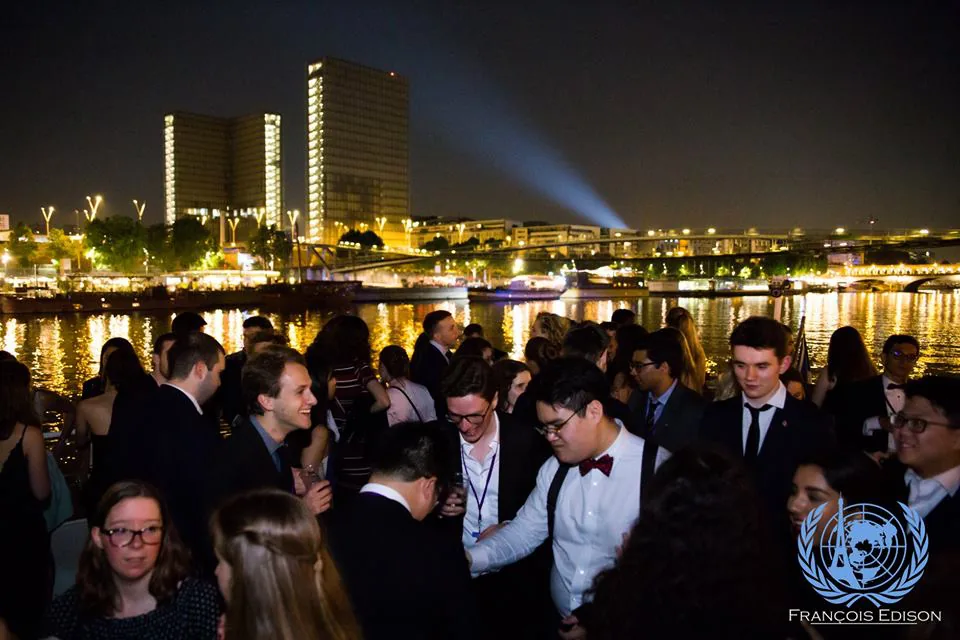
Bill also cares about the human side of MUN. “On the last day of our conferences, we host social events. Students share food, performances, and culture — high school and university students in separate events. It’s fun, yes, but it’s also about building connections and understanding global perspectives.”
For him, the value of MUN extends beyond the conference room. “I’ve seen students go on to work in governments, the UN, and NGOs. What they learn, listening, negotiation, and compromise, applies everywhere. MUN teaches the culture of peace, and that’s something they can carry into their communities.”
He laughs when talking about the challenges. “Negotiations aren’t a competition. They’re about problem-solving, finding common ground. That’s why we don’t just hand out awards for speeches; we recognize contributions to consensus. That’s the essence of diplomacy.”
Bill will always be connected to the UN, and that connection fuels his passion. “The UN inspired me, and working there showed me the impact people can make. Conferences, committees, simulations, they’re all just ways to share that inspiration with the next generation.”
Talking to Bill reminded me that MUN isn’t just a game or an academic exercise; it’s a living, breathing simulation of global diplomacy, and there’s always another layer to explore. Even for someone who thought they knew it all, Bill leaves you realizing there’s so much more to learn and build.