BIMUN 2024

Belgrade International Model United Nations - BIMUN

Mar 13–17, 2024 Belgrade, Serbia

Belgrade International Model United Nations - BIMUN

Conference

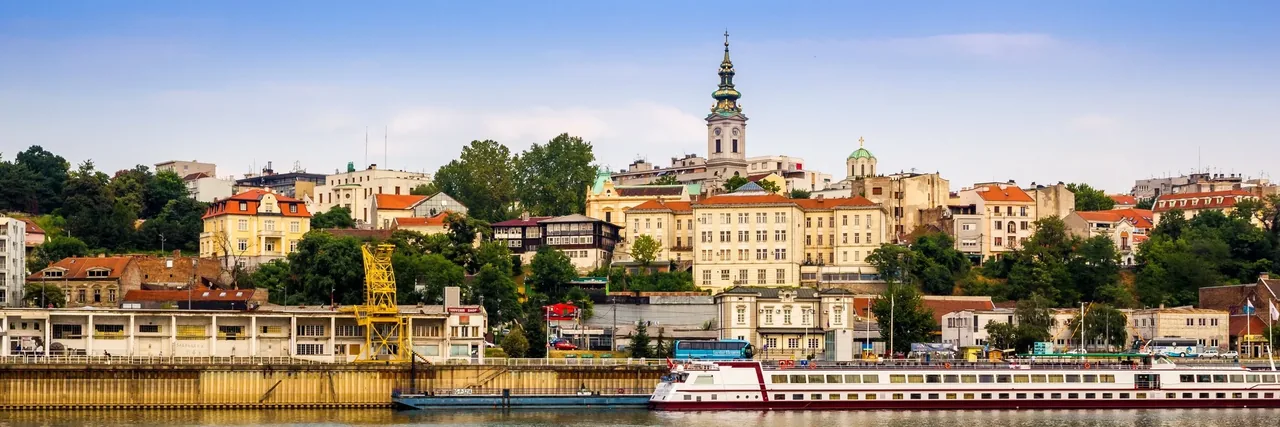
Belgrade, Serbia·Europe

Mar 13–17, 2024

200 delegates expected

High school and university students

In English

About

BIMUN 2024 (Belgrade International Model United Nations) is back from March 13th to 17th, 2024.

The conference theme this time is "Multilateral solutions for a better tomorrow: the world, the future, youth!" 

This marks our 21st international youth conference simulating the work of the UN.

Who's invited?

 Students from all around the world! BIMUN 2024 isn't just about serious talks; it's also a chance to meet interesting people, exchange ideas, and, of course, have some fun.

We've got events lined up, including the BIMUN Diplomats' Ball, National evening, and the BIMUN party. 

Fun fact:

Over the years, we've had 4785 participants from 83 countries join the previous twenty BIMUN conferences.


Applications:

Early bird Application: November 25th to December 25th

Second phase: December 25th, 2023 to January 31st, 2024


Now, it's your chance to be part of the experience! Get ready for a BIMUN UNique and UNforgettable time. 


BIMUN - EDUCATION FOR THE WORLD OF DIPLOMACY! 

WELCOME TO BIMUN 2024!

Committees
  • MUN REFUGEE CHALLENGE 2024 - UNHCR

    English
    MUN Refuggee Challenge

    MUN REFUGEE CHALLENGE 2024 - UNHCR

    English

    Topic

    MUN Refuggee Challenge

    About the committee

    The Belgrade International Model United Nations - BIMUN 2024 conference will join the MUN Refugee Challenge and with the support of UNHCR Serbia will organize the BIMUN UNHCR Committee.

    Countries

    How this committee type works
  • UN Children's Fund - UNICEF

    24 seats · English
    The effects of climate change on the children and the youth
    UN Children's Fund - UNICEF

    24 seats · English

    Topic

    The effects of climate change on the children and the youth

    About the committee

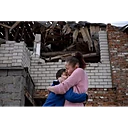
    THE EFFECTS OF CLIMATE CHANGE ON THE CHILDREN AND THE YOUTH The history of the scientific discovery of climate change began in the early 19th century and in the late 19th century, scientists first argued that human emissions of greenhouse gases could change Earth's energy balance and climate. Since the 1990s, scientific research on climate change has included multiple disciplines and has expanded. UNICEF’s concerns about climate change started in the 1990s. In Geneva/New York on 28 August 2023 for the first time, the United Nations Committee on the Rights of the Child has explicitly affirmed the children’s right to a clean, healthy and sustainable environment, issuing comprehensive interpretation of Member States’ obligations under the UN Convention on the Rights of the Child. This Convention, created in 1989 and ratified by 196 states, outlines universal children’s rights such as the right to life, survival and development, and the right to health. A General Comment provides legal guidance on what these rights imply for a specific topic or area of legislation. General Comment No. 26 plays a pivotal role in elucidating the commitment of states as outlined in the Paris Agreement. Concerning the current situation, roughly one in five global deaths annually occurs in children under the age of five and more than half of these childhood fatalities are attributed to lower respiratory tract infections, diarrhea, and malaria. All three of these disease categories are susceptible to exacerbation due to climate change. At COP 21 in Paris, on 12 December 2015, Parties to the UNFCCC reached a landmark agreement to combat climate change and to accelerate and intensify the actions and investments needed for a sustainable low carbon future. Beside the Paris agreement there is also the European Climate Law. The law sets the intermediate target of reducing net greenhouse gas emissions by at least 55% by 2030, compared to 1990 levels. Climate change can lead to various risks; extreme temperatures that cause recent years to be the hottest on record leaving huge consequences on health, as children adjust more slowly to temperature changes and develop heat-related health risks. Water scarcity and water pollution, deprivation of water consumption which leads to undernutrition can affects both physical and cognitive development, which has implications for the rest of a child’s life. Flooding, rising sea levels as well as storm surges and cyclones, more frequent and intense storms, and melting snow and glaciers leave immediate risks of death and injury and prevent children’s access to essential health care and education. This puts families at higher risk of migration and displacement. Air pollution leaves huge consequences on health, children’s lungs as their immune systems are still developing. Children are explicitly recognized as stakeholders in the Paris Accord and thus climate change adaptation and mitigation plans need to be child and youth inclusive. As a part of a solution, UNICEF has made a Strategic plan 2022-2025 that is consisted of UNICEF’s unreserved commitment to promoting the rights of all children, everywhere, as stated in the Convention on the Rights of the Child and guided by the Core Commitments for Children in Humanitarian Action. UNICEF is committed to ensuring a sustainable world and protect the children from the worst impacts of a changing climate and degrading environment. This is done by supporting continuous and environmentally focused education and enhancing ambition of mitigation and adaption approaches for children and youth that are harmed by climate change. Recognizing children as agents of change and providing a platform for them to exchange their views, opinions, concerns as well as identifying solutions and promoting environmentally sustainable lifestyles is important. The participation of children is both a necessity and also part of their fundamental rights by Article 12, Convention on the Rights of the Child. Protecting children from the impacts of climate change will require increased focus and financing on adaptation and increasing the resilience of the services that children depend upon most - such as water, health, education, and nutrition. Questions - How can UNICEF ensure equitable access to climate education? - What are unique challenges that children and youth in different regions face due to climate change? - What role UNICEF can play in promoting climate justice for children and youth?

    Countries

    How this committee type works
  • UN Population Fund - UNFPA

    18 seats · English
    Building youth resilience in conflict and post-conflict environments
    UN Population Fund - UNFPA

    18 seats · English

    Topic

    Building youth resilience in conflict and post-conflict environments

    About the committee

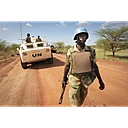
    Building youth resilience in conflict and post-conflict environments Conflicts that are currently taking place around the world have subjected the international community to numerous challenges. One of the groups that is most affected at the moment and will be affected in the future is youth. It is estimated that there are approximately 300,000 armed children and youths that are living in conflict zones, half of them being girls. These young people are forced to live in constant violation of their rights by being exposed to forced labor, recruitment into militias, mutilation, abduction, sexual violence, attacks on schools and hospitals, and the denial of necessary humanitarian aid. Many of them are displaced, separated from their families, or orphaned, and must undertake a long process to rebuild their lives after war. An estimated 60 per cent of preventable maternal deaths happen in places afflicted by political conflict, displacement and natural disasters. As the United Nations sexual and reproductive health agency, UNFPA is encouraging young people to take control of their bodies and their futures by providing them with a wide range of sexual and reproductive health services. Ending the unmet need for family planning, preventing maternal death, and gender-based violence and harmful practices including child marriage and female genital mutilation have become the biggest challenges that the agency is facing due to ungracious conditions in countries affected by ongoing conflicts. It is appraised that in the current conflict in Gaza at the moment there are 50,000 pregnant women, from whom 840 women may experience pregnancy or birth-related complications. Aware of the aforementioned numbers, UNFPA is dispatching life-saving reproductive health medicines and supplies to Egypt for stockpiling and transportation across the border into Gaza. UNFPA is also present in the Republic of Moldova and other countries near Ukraine, responding to the protection and health needs of refugees, most of whom are women and girls. About one-third of the refugees from the recent Karabakh crisis are reportedly under 18. According to UN officials, it is uncertain whether many of Karabakh’s former inhabitants will choose to return to this region, and having that in mind UNFPA is working on the improvement of their lives after the conflict by, e.g., creating two safe spaces where women and girls can access psychosocial support, health care and legal services are already running and three more are in the works. UNFPA's work in conflict and post-conflict environments is multifaceted and comprehensive, addressing a range of critical issues related to sexual and reproductive health, gender-based violence, and population well-being. Its efforts are aimed at not only providing immediate relief but also building the capacity of communities to recover, thrive, and ultimately, lead self-sustained lives. The way to do so is by developing strategies before, during, and in post-conflict, focusing on rehabilitation, and education as key factors for the inclusion of youth into communities, building networks, and peacebuilding operations. Further discussion is required to address numerous questions. 1. What is the adequate support for young people in order to safely overcome the challenges of the environment in which they find themselves? 2. What can we do regarding mandatory access to schools and health in war-endangered countries? 3. In what direction to work after the war so that the youth can evolve as fast as possible?

    Countries

  • Human Rights Council

    22 seats · English
    Violation of human rights due to civil wars in Africa
    Human Rights Council

    22 seats · English

    Topic

    Violation of human rights due to civil wars in Africa

    About the committee

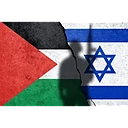
    “Violation of human rights due to civil wars in Africa” Civil wars in Africa have been tragically recurrent throughts the continent’s modern history, often accompanied by severe violations of human rights. The frase „violation of human rights“ refers to actions or conditions in which individuals, groups or governments infringe upon the fundamental rights and freedom to which all people are inherently entitled, based on their dignity as human beings. These rights are often outlined in interantional agreements and documents like the Universal Declaration of Human Rights. Violation of human rights can take various forms, including but not limited to: physical abuse, discrimination, suppression of free speech, forced labor and slavery, sexual violence, displacement. In the context of the civil wars in Africa, violation of human irghts has been a pervasive and deeply troubling aspect of many conflicts. Here are some of the regional civil wars in Africa and the associates human rights abuses: Biafran War, or the Nigerian Civil War, erupted in the 1967 when the southeastern region of Nigeria declared its independence as the Republic of Biafra. The conflict ended in 1970 and resulted in a severe humanitarian ciris, with widespread famine and disease. Mozambican Civil War pitted the Marrxist goverment against the anti-communist rebel group Renamo. This protracted conflict saw human rights abuses on both sides, including forced labor and displacement of civilians. Sierra Leone Civil War was marked by the brutality of the Revolutionary United Front, who engaged in sexual violence, use of child soldiers and was notorius for its diamond trade, giving rise to the term „blood diamonds“. South Sudan, the world’s youngest nation, has experienced a protracted civil conflict characterized by ethnic violence, child soldier recruitment and displacement of the civilians. In todays Africa, the scourge of conflict remained entrenched and showed little promise od abatement. However, limited progress has been seen across the region, in terms od ensuring victims’ rights to truth, justice, reparation and accountability for grave violations and abuses of human rights. The number of people fleeing conflict and/or climate crises continues to rise. Yet, international funding shrotfalls left authorities barely equipped to adequately adress refugees’ urgent basic needs. Sexual violence: the prevalence of violence against women across the region reflected the entrenched patterns of gender discrimination and other form of inequality. For example, during the Sierra Leone Civil War, gender specific violence was widespread – rape, sexual slavery and forced marriages were commonplace during the conflict. Freedom of expression: human rights defenders, activist and opposition members face garassment, intimidation and threats simply for exercising their right to freedom of expression. Many individuals across the region are arrested and detained, if not rountinely harassed and intimidated, only for expressing their opinion about the current political and social situation. Displacement: Increasing number of people fled their homes due to conflict or climate crisis in the paste two decades. An additional 600,000 people were internally displaced in Democrattic Republic of Kongo, bringing the total to nearly 6 million, the highest in Africa. Food and water insecurities, malnutrition, precarious health and inadequate housing are marking the living conditions of many Africans.

    Countries

    How this committee type works
  • Security Council Crisis Committee

    15 seats · English
    The situation in the Middle East, including the Palestinian question
    Security Council Crisis Committee

    15 seats · English

    Topic

    The situation in the Middle East, including the Palestinian question

    About the committee

    The situation in the Middle East, including the Palestinian question

    Countries

    How this committee type works
  • UN Development Programme - UNDP

    24 seats · English
    Accelerating the implementation of the Agenda 2030 in times of global crisis

    UN Development Programme - UNDP

    24 seats · English

    Topic

    Accelerating the implementation of the Agenda 2030 in times of global crisis

    About the committee

    Accelerating the implementation of the Agenda 2030 in times of global crisis Introduction - delivering on promises We are halfway towards 2030 and the world is facing unprecedented challenges. Global economic fallout from COVID 19 pandemic and the current global security situation had greatly impacted the progress towards the SDGs. As things stand, we are on a path to fulfill only 12% of the Goals, with more the 30% of the Goals have regressed compared to the levels of 2013 when the Agenda was adopted. As we have only 7 years left, concrete and decisive action is needed on part of all stakeholders if we are to fulfill the promise of the SDGs. Important points of discussion include, but are not limited to: Growing divide - preserving peace in times of global uncertainty With the spike of conflict in the past years, in Africa, Middle East and even Europe for the first time in 20 years, the global security situation hasn’t been this strained since the 1990s, and the developing countries find themselves at the forefront of these crises. Furthermore, democratic backsliding has impacted developing countries especially. Triple planetary crisis Devastating loss of biodiversity, prevailing climate crisis and pollution present a serious risk to the wellbeing of the people and planet. Developing nations have been the most impacted, despite contributing historically the least. Urgent action is needed to achieve full implementation of the environmental dimension of sustainable development and to secure a viable future on this planet. Ending global hunger The current generation of youth is the first generation that has the chance to eliminate global hunger. Since the COVID-19 pandemic hit the global economy, and the recent conflict in Eastern Europe hit the global food exporting system, hunger worldwide has been on the rise, and some 700 million people suffer from hunger, potentially making the elimination thereof more and more out of reach. The digitalization and use of AI in developing countries Technology is a cornerstone of development, as there is a gap in digitalization between developed and developing countries, greater digitalization should be another priority, as it would allow developing countries to participate in the global economy and information flows to a greater extent, and enhance the ability of their population to innovate and secure better living conditions.

    Countries

    How this committee type works

Organizers

More MUN conferences

ConferencesSerbiaBIMUN 2024