
Conference
Montréal, Canada·North America
Nov 13–16, 2025
1,200 delegates expected
High school students
In English
About
Empowering Youth Leaders Today
In 1992, a group of McGill University students came together with a hope of creating an environment for high school students to explore a wide range of global issues. They sought to offer an opportunity for these students to collaborate and problem-solve as active, young leaders. Now in its 33rd year, the Secondary Schools’ United Nations Symposium (SSUNS) continues to grow and innovate, hosting hundreds of high school and Cégep students from all across the world. SSUNS is regularly attended by dozens of schools, staffed by over two hundred McGill students, and registers over one thousand delegates.
The Secondary Schools’ United Nations Symposium (SSUNS) is a Model United Nations conference hosted by McGill University students in Montreal, Quebec. The past few years have forced our conference to quickly adapt to changing circumstances. We are excited to bring SSUNS back to the Sheraton Hotel in Montreal this year, welcoming students from all around the world to participate in our conference.
Here at SSUNS, our mission to empower the youth leaders of today is twofold. SSUNS offers a platform on which youth leaders bring their unique perspectives and identities to discuss and collaborate in order to discover innovative solutions to global issues. Through honest dialogue and organised debate, youth leaders at SSUNS strengthen valuable skills such as critical thinking and productive communication in an environment built upon the value of mutual respect for diverse ideas. Following the conference, SSUNS participants should return to their communities confident in their ability to effect change in areas they are inspired to do so.
SSUNS provides numerous leadership and skill-building opportunities for the four hundred McGill University students who, over a ten-month period, organise and prepare each edition of SSUNS. Our commitment to ensuring a positive and formative experience for each member of our staff is the way in which we hope to embody the empowerment of youth leaders. The creativity, enthusiasm and diligence of our staff has resulted in the flourishing of SSUNS into the most innovative conference we can offer our participants.
This year will be the 33rd iteration of SSUNS. From innovative committees to exciting delegate events, the Secretariat has worked hard to put together an extraordinary conference.
Click on our website link to learn more!
Committees

International Civil Aviation Organization (ICAO)
Beginner · EnglishThe International Civil Aviation Organization (ICAO) is a specialized agency of the United Nations tasked with regulating international air transport and promoting the long-term sustainability of the aviation industry. Headquartered in Montreal, the ICAO establishes global standards to ensure the safety, efficiency, and environmental responsibility of civil aviation. At SSUNS 2025, the ICAO committee will work collaboratively to mitigate the environmental impact of commercial aviation while fostering sustainable innovation through effective regulation. Aviation remains a cornerstone of global travel, trade, and connectivity, yet it also contributes significantly to carbon emissions and broader environmental challenges. Nevertheless, advancements in the aviation sector present compelling opportunities to pursue cleaner, faster, and more ambitious climate targets. To align with the United Nations Sustainable Development Goals (SDGs), the governance of international aviation must be both effective and equitable. Currently, commercial aviation accounts for approximately 2.5% of global CO₂ emissions, though its overall climate impact is closer to 3.5% when non-CO₂ effects are considered. In 2023, international aviation emitted an estimated 492 million metric tons of CO₂—equivalent to roughly 1.5 times the annual emissions of the United Kingdom. With air traffic projected to approach 40 million flights annually by 2025, the urgency for sustainable solutions continues to grow. Innovations such as sustainable aviation fuels (SAFs), electric and hydrogen-powered aircraft, and AI-assisted flight operations offer promising pathways to reducing emissions. SAFs alone have the potential to reduce the lifetime emissions of a commercial aircraft by up to 70% compared to conventional jet fuels. However, the successful adoption of these technologies depends on global cooperation, robust regulatory frameworks, and equitable access for all nations. Delegates will explore the complex landscape of international aviation, grapple with the challenges of regulation, and navigate the balance between innovation and sustainability. While the task is formidable, delegates will engage in diplomatic collaboration and craft forward-thinking, impactful policies to guide the industry through its technological and environmental transitions. The ICAO at SSUNS 2025 will take the lead in shaping the future of aviation—ensuring it remains a safe, sustainable, fair, and efficient means of global connection.
2026 FIFA WORLD CUP - Mexico, USA, Canada
Intermediate · EnglishWelcome, delegates, to the FIFA World Cup 2026 Committee! Tasked with organizing FIFA’s first-ever triple-hosted tournament, delegates will navigate the complex worlds of finance and logistics, while balancing the interests of fans, local communities, and activists. As the most widely viewed and celebrated sporting event in the world, billions of spectators, and dollars, will depend on your leadership. Bringing this tournament to North America (specifically Canada, Mexico, and the United States) for the first time since 1994 comes with lofty expectations, making it crucial that this World Cup becomes the biggest spectacle yet. Delegates must be prepared to manage the inevitable complexities that arise with an event of this magnitude. There are numerous factors to consider in maximizing the tournament’s success. Delegates will need to think logistically: sponsorships, funding, budgeting, ticket sales, and infrastructure planning are all essential elements that must be addressed. In addition, the FIFA World Cup is not insulated from the socio-political climate. Events of this scale often amplify these issues, with controversies surrounding workers’ rights, immigration, intersectionality, and the impact on host-city residents. Delegates must be aware of these implications and approach solutions with open minds and a commitment to equity. Collaboration is paramount. With delegates representing politicians, corporate sponsors, coaches, players, CEOs, FIFA officials, and public figures, a multifaceted and cooperative approach will be essential. As the committee meets with just one year left until kick-off, delegates will race against the clock to ensure the success of the tournament and tackle crises as they emerge. From stadium and broadcasting rights to high-stakes sponsorship deals, the committee will be tasked with negotiating the most pressing issues surrounding this landmark tournament. Functioning as a Specialized Committee, it will be up to the delegates to determine whether the FIFA World Cup 2026 sets a new gold standard for international cooperation and sportsmanship, or if division and disarray will dominate, prompting a return to single-hosted tournaments in the future.
La littérature comme résistance (French Bilingual)- Le Salon du Livre Francophone de Beyrouth – Édition 2018
Intermediate · EnglishLe comité La Littérature comme Résistance : Le Salon du Livre Francophone de Beyrouth, 2018 prend place dans la richesse culturelle de Beyrouth, ville vibrante de langues, de mémoires et d’expressions. À travers l’organisation du Salon du Livre Francophone de Beyrouth, ce comité se donne pour mission de célébrer la francophonie littéraire dans toute sa diversité, tout en soulignant son rôle important en tant qu’outil de résistance et d’échange culturel. À sa 25e édition en 2018, ce festival se veut un espace de dialogue, où les figures les plus importantes de la littérature francophone présentent leurs œuvres et leurs vécus à travers des lectures publiques, des tables rondes, des résidences d’écriture et des performances scéniques. En effet, ce sont plus de 180 auteurs et 60 exposants issus du monde entier qui sont attendus pour cette édition. Le comité est chargé de façonner la programmation, la logistique et la portée du festival, dans le but de créer une plateforme inclusive, décoloniale et tournée vers l’avenir. Cette édition du Salon du Livre n’est pas seulement un épicentre d’idées, de récits et de liens transnationaux, mais également un lieu d’introspection, où les invités, tout comme les visiteurs, pourront s'interroger sur le rôle de la littérature dans la résistance politique, ainsi que dans la réconciliation et la reconstruction identitaire post-conflit des peuples francophones. À travers les discussions du comité organisateur, les délégués pourront participer à des conversations essentielles portant sur la littérature censurée, l’engagement littéraire et le militantisme, la mémoire collective, ainsi que l’héritage colonial et l’expression culturelle. Il s’agit d’une occasion exceptionnelle pour les délégués d’apprécier la diversité du monde littéraire francophone en incarnant des auteurs et personnages clés présents au Salon du Livre de Beyrouth en 2018. Organisé par l’Institut français à Beyrouth et soutenu par une panoplie d’organisations internationales, le Salon du Livre de Beyrouth célèbre non seulement la langue française, mais surtout ceux qui s’en emparent pour raconter, dénoncer et rêver d’un monde meilleur. Il s’agit d’une occasion unique d'explorer le pouvoir de la littérature pour transcender les frontières et initier des discussions qui remettent en question le statu quo. En tant que gardiens de ce projet, les membres du comité doivent répondre à des enjeux de diplomatie culturelle, de mémoire et de justice narrative. Ensemble, ils construiront un événement ouvert à tous les publics, qui questionne l’héritage colonial de la langue française et qui fait de la littérature un outil de rapprochement, d’éducation et de transformation sociale.
The National Federation of Women Workers – The Fight Beyond the Battlefield (1917)
Beginner · EnglishThe year is 1906, and a new force is rising in Britain. The National Federation of Women Workers has just been founded, giving voice to the countless women suffering under brutal working conditions in the growing “sweated trades.” In overcrowded, dangerous factories, women labor for hours on end, earning pennies for piecework while their health deteriorates. With little male presence in these roles, the government pays scant attention to their plight. But the women of Britain are finished with silence. Across the country, and even beyond, to allies in America, a movement is forming. These women are not just workers; they are fighters. And now, they demand change. This fight is not solely about factory conditions. As working women organize, their struggle begins to touch every aspect of their lives: the right to fair labor, the right to be heard, and the right to shape the society in which they live. Calls for suffrage echo through union halls and protest marches, linking labor rights with political representation. How can a woman fight for her dignity at work without having a say in the laws that govern her life? Delegates must consider whether full civil rights, education, healthcare, and leadership opportunities, are possible without the vote. For many, the answer is clear: equality in labor must go hand-in-hand with equality at the ballot box. Union alliances also come into sharp focus. The Women’s Trade Union League and the General Workers’ Union are both active players in the labor landscape. The Federation must decide whether to join forces with these groups, remain independent, or lead a new coalition entirely. Each choice carries weight. Will unity bring strength, or risk diluting the unique needs of working women? The decisions made now will shape the future of labor and civil rights for generations. The women of Britain are rising, and they will not be turned back. Their boots are laced, their cause is just, and the fight for dignity, safety, and equality has only just begun.
United Nations Permanent Forum on Indigenous Issues (UNPFII)
Intermediate · EnglishThe United Nations Permanent Forum on Indigenous Issues (UNPFII), established in 2000, is a vital advisory body within the UN Economic and Social Council, dedicated to ensuring Indigenous voices are heard and their rights protected on the international stage. Indigenous Peoples across the globe face a range of systemic challenges, including land dispossession, cultural erosion, health disparities, and the growing threats posed by climate change. This committee aims to raise awareness, promote cross-border collaboration, and influence international policy to better reflect the values, traditions, and rights of Indigenous communities. This year’s committee will focus on developing national and international strategies that address the structural roots of Indigenous marginalization. Delegates will examine how historical injustices—such as settler colonialism, forced assimilation, and legal disenfranchisement—continue to impact Indigenous populations today. Solutions will aim to break intergenerational cycles of inequality through transformative policies that restore agency, leadership, and narrative control to Indigenous peoples. The committee will also explore how access to education, healthcare, housing, and clean water can be improved through systems that are culturally inclusive and community-led. Delegates are encouraged to question current models of social services that often fail to incorporate Indigenous knowledge, and to propose alternatives that promote long-term sustainability and resilience. Legal recognition and justice remain central to this year’s discussions. Delegates will consider how Indigenous legal traditions and treaty rights can be meaningfully embedded within existing national and international legal frameworks. By focusing on legal pluralism and sovereignty recognition, the committee will work toward redefining governance in a way that empowers Indigenous participation and self-determination. As the committee convenes to address these urgent issues, delegates are expected to engage in collaborative, innovative, and respectful dialogue that centers Indigenous leadership and lived experience. The ultimate goal is to create comprehensive, actionable resolutions that prioritize Indigenous autonomy and ensure their thriving in an increasingly interconnected world.
Commission on Science and Technology for Development (CSTD)
Intermediate · EnglishAs technology evolves rapidly, the global community faces a critical challenge: protecting fundamental human rights in the digital realm. This committee will explore the intersection of human rights and digital innovation, emphasizing the urgent need to uphold privacy, freedom of expression, and equitable access to technology in an increasingly interconnected world. Delegates will address the growing issue of digital inequality, which has created a divide between those benefiting from technological advancement and those left behind. Billions still lack reliable internet or basic digital infrastructure, limiting opportunities for education, economic participation, and civic engagement. As digital access becomes essential to daily life, delegates must explore international strategies to bridge this gap, focusing on affordability, infrastructure investment, digital literacy, and equitable policy. A key question will be whether internet access should be considered a fundamental human right. At the same time, the rise of surveillance capitalism and the commodification of personal data demand attention. As governments and corporations increasingly collect and monetize user data, the right to privacy is under threat. Delegates will debate how to balance national security with civil liberties, define the responsibilities of tech platforms, and establish global accountability standards. This includes addressing the role of data brokers and the need for transparent, ethical data practices aligned with the Universal Declaration of Human Rights. Cybercrime further complicates this space, emerging as a borderless threat, from criminal networks to politically motivated state attacks. The digital sphere now hosts a new form of conflict that challenges legal norms and raises urgent questions about sovereignty, accountability, and international cooperation. Delegates must consider how to protect individuals from digital interference, such as election meddling, doxxing, and online harassment, while preserving rights to expression and political participation. This committee calls for innovative, multilateral approaches to human rights in the digital age. Delegates are encouraged to propose realistic, inclusive policies that empower individuals, hold powerful actors accountable, and ensure that technological progress benefits all. As the digital age redefines the boundaries of freedom, this committee asks: How can we ensure that technology enhances, rather than threatens, the dignity and rights of every person?
Expecto Patronum? Ministry of Magic and the Order of the Phoenix
Intermediate · English“HE-WHO-MUST-NOT-BE-NAMED RETURNS,” declares Harry Potter, a 14-year-old Hogwarts student known for surviving the Dark Lord's first rise. His claim, delivered after the traumatic events of the Triwizard Tournament, has been met with a mix of fear, skepticism, and outright dismissal. Many within the wizarding world, including key figures in the Ministry of Magic, refuse to believe that Lord Voldemort has truly returned. Some label the claim as nothing more than a child’s delusion, manipulated by those seeking to undermine the Ministry’s authority. Yet beneath the surface, fear stirs. Whispers abound: Death Eaters moving in secret, strange magical disturbances, dark creatures wandering near once-safe communities. Are these isolated events, or signs of something darker on the horizon? Amid this uncertainty, a bombshell rocks the wizarding establishment , Albus Dumbledore resigns as Headmaster of Hogwarts. He is replaced by the authoritarian Dolores Umbridge, a Ministry loyalist whose rise to power symbolizes the government’s increasing interference in every corner of magical life. Under her leadership, Hogwarts becomes a tool of control, as fear-based education and censorship replace traditional instruction. Students are silenced, and those who question the official narrative are punished. International alarm is growing. Reports from European and North American wizarding communities echo a shared anxiety: rising anti-Muggle-born sentiment, deteriorating trust in magical institutions, and the reappearance of symbols once associated with Voldemort’s regime. Old divisions threaten to erupt anew. In this high-stakes crisis committee, delegates will take on the roles of powerful figures from the Ministry of Magic and allied organizations. You will confront a fractured society grappling with internal corruption, dangerous denial, and a world on the brink of panic. Will you cling to the illusion of peace, or prepare for war?
Non-Traditional Crisis: The Pink Panther International Jewel Thieves, 2012
Expert · EnglishKnown around the globe for their “glamorous” and high-profile thefts, the infamous Pink Panthers have executed some of the most daring jewel heists in modern history. With a sprawling network of international operatives and a reputation cemented by their audacious 2003 robbery, featuring a half-million-pound diamond, a jar of face cream, and inspiration drawn from The Return of the Pink Panther, the Panthers remain icons of criminal finesse. Yet even the most polished criminals are not immune to the wear of time. Today, with rapid advances in forensic science, including DNA tracking and facial recognition, the shadows that once concealed these master thieves are beginning to lift. Law enforcement agencies such as Interpol are applying unprecedented pressure, leading to a dramatic drop in active members and forcing the Pink Panthers to confront a new era of heightened surveillance and global scrutiny. In this committee, delegates will take on the role of remaining Pink Panther members, brought together at a pivotal crossroads. The group must now decide how best to elude law enforcement and counter rapidly evolving technology. The emergence of a rare pink diamond—rumored to bear an imperfection shaped like a panther, has reignited interest in staging another iconic heist. But with the enigmatic Inspector Clouseau lurking ever closer, planning must be precise, covert, and perhaps, revolutionary. Delegates will be tasked with debating the next target, crafting public and private directives, and proposing innovative counter-techniques to outsmart authorities. Recruitment strategies must be reimagined in light of recent losses, and the ethics behind future targets will need reassessment, should the Panthers continue to steal from the ultra-rich, or expand their scope? Members must also navigate how to wield their secret identities strategically, and whether the time has come for the Pink Panthers to adopt a more visible persona, or retreat further into the shadows. The stakes are high, the pressure is mounting, and the spotlight is fading. Can the Pink Panthers reclaim their legend, or will this be their final act? But beware, Inspector Clouseau is always lurking nearby…
SDG 13: 4th International Conference on Small Island Developing States
Intermediate · EnglishThe Fourth International Conference on Small Island Developing States (SIDS) takes place in Antigua in May 2024, with a focus on securing the future and long-term viability of small island nations, some of the most vulnerable countries in the world. Though the 39 SIDS collectively represent less than one percent of the global population, they face disproportionate challenges, particularly due to climate change and limited economic resilience. At SSUNS 2025, this committee explores strategies to strengthen these nations by addressing both immediate concerns and long-term sustainability. Delegates work to develop forward-looking policies centered on resilience-building, economic diversification, and self-sufficiency to safeguard these communities for generations to come. Tourism continues to serve as a major economic pillar for many SIDS, at times contributing over half of national GDP. However, the current model of tourism is often unsustainable and highly vulnerable to environmental changes, signaling an urgent need to rethink and redesign how tourism supports island economies. Delegates examine ways to adapt tourism industries in a way that fosters environmental stewardship, economic stability, and long-term sustainability. SIDS frequently struggle with underrepresentation in global decision-making forums, despite being among the most affected by pressing global issues such as climate change, rising sea levels, and global trade policy. Ensuring that these nations have a stronger, more consistent voice on the international stage is essential to advancing equitable and inclusive global governance. This committee considers what structural and diplomatic mechanisms can help amplify SIDS' influence in the global arena. Many small island nations also face the risk of climate-induced displacement, with communities forced to migrate due to sea-level rise, extreme weather, and resource depletion. Delegates explore the humanitarian, legal, and cultural implications of climate migration, while also considering how to protect and revitalize island-based communities that remain. Preserving cultural heritage, social cohesion, and human dignity in the face of climate threats remains a key focus of the committee’s work.
SDG 16: UN Human Rights Office
Intermediate · EnglishThis year’s iteration of the UN Human Rights Office focuses on the critical intersection between human rights and civil society, encouraging delegates to adopt a nuanced approach to understanding how civil society serves as a cornerstone for strengthening democratic institutions and safeguarding individual freedoms. In political science, civil society is broadly defined as organizations and groups that operate independently of government and corporate control. These include a wide range of actors such as independent media organizations, community groups, charities, trade unions, non-governmental organizations (NGOs), and social or political protest movements. Given the expansive role and influence of civil society, the committee’s subtopics will examine three distinct yet interconnected dimensions. Delegates are encouraged to approach these topics holistically and develop solutions that reflect the dynamic and interdependent nature of civil society. One subtopic explores the essential role of journalism, inviting delegates to consider strategies to protect the rights of journalists and uphold freedom of expression. Another examines how civil society groups, particularly trade unions, advocate for marginalized populations and how their influence can be supported and expanded. A third subtopic addresses the challenges faced by NGO and civil society workers in conflict zones, with a focus on ensuring access to legal, medical, and humanitarian support. While each subtopic highlights a different facet of civil society, the overall aim of the committee is to strengthen civil society’s capacity to promote stability, justice, and inclusive development. The UN Human Rights Office dais looks forward to engaging with all delegates this fall. Delegates are encouraged to undertake detailed and thoughtful research, keeping in mind the complexity and diversity of civil society. Policy proposals should be equally innovative and reflective of the evolving nature of civil society around the world.
SDG 2: FAO
Intermediate · EnglishAt SSUNS 2025, the Food and Agriculture Organization (FAO) will address the escalating global food security crisis, a challenge intensified by conflict, climate change, and political instability. In recent years, the world has witnessed increasing geopolitical tensions, more frequent natural disasters, and a growing number of humanitarian emergencies, all of which have disrupted food production and distribution systems. These conditions have made it more urgent than ever to develop resilient, sustainable food systems that can serve both current and future populations. Delegates in this committee will examine how international strife and disasters impact global food supply chains, recognizing that the increasingly interconnected nature of these systems makes them highly vulnerable. Delegates will consider strategies to reinforce these networks through technology, cooperation, and investment, ensuring that food can reliably reach even the most at-risk populations. The committee will also explore environmental and resource-based threats to food security. Challenges such as soil degradation, water scarcity, and reduced land availability are compounded by climate change, which exacerbates extreme weather events and threatens global agricultural productivity. Discussions will focus on the importance of climate-resilient crops, sustainable irrigation, and biodiversity in maintaining long-term food systems. Delegates will also address the role of international governance in promoting accountability and equitable access to resources. Looking forward, the committee must consider how to feed a projected 10 billion people by 2050. This demands innovation—embracing agricultural technologies such as vertical farming, lab-grown proteins, and AI-assisted logistics to increase efficiency and reduce environmental harm. Delegates will also discuss how to implement these solutions equitably across nations, ensuring accessibility, affordability, and educational support. Ultimately, the FAO at SSUNS 2025 will challenge delegates to balance immediate humanitarian needs with visionary, sustainable strategies for the future.
Spotify Board of Directors -2025
Intermediate · EnglishDespite its dominance in the global music streaming industry, Spotify faces significant financial and reputational challenges. At the core of these issues is the ongoing controversy over artist royalties. Many artists argue that the $10 billion in royalties Spotify reported paying out in 2024 is still insufficient. The platform pays musicians approximately $3 for every 1,000 streams, significantly less than what competitors like Apple Music and Amazon Music offer. This disparity has sparked public outcry, with Grammy Award winners and nominees such as Neil Young threatening to remove their content from Spotify, and Snoop Dogg repeatedly posting on Instagram calling for a restructuring of the royalty system. From a business standpoint, increasing royalties could strain Spotify’s profitability, potentially impacting stock performance and investor confidence. The company must strike a balance between consumers’ expectations for affordable streaming and artists’ demands for fair compensation. Furthermore, Spotify risks losing exclusive content deals, vital to maintaining market share, as competitors offer more attractive payouts. Independent and smaller artists are particularly affected. The maximum payout per stream on Spotify is just $0.003. As of 2024, Spotify stopped paying royalties on tracks that receive fewer than 1,000 streams annually, redirecting those funds to more popular artists. While this benefits major artists, others are now earning nothing from the platform. This policy has sparked outrage among musicians—an outrage that is beginning to spread to their fanbases. Moreover, listening to music has become a private and solitary activity, contrasting with the once-social nature of the experience. However, audience preferences are shifting again, many are growing tired of digital music consumption and craving live, communal experiences like music festivals. Should Spotify invest in artist-led live events? With artificial intelligence (AI) reshaping the tech landscape, Spotify has embraced AI to expand its offerings. It introduced an AI DJ that curates music like a personalized radio station and recently launched an AI assistant that generates playlists based on user preferences, for example, producing a custom "study playlist" on demand. While these features have been well-received, they have also faced criticism. Spotify leadership found AI more efficient than human curation, leading to workforce reductions. To date, 17% of Spotify’s employees have been laid off, prompting further backlash.
Vive la Révolution… Américaine? The Siege of Quebec, 1775
Intermediate · EnglishWhen the dust settled at the end of the Seven Years' War in 1763, Britain emerged as the master of colonial North America east of the Mississippi River. The Saint Lawrence Valley , once the heart of New France, now formed the basis of the new British Province of Québec. The Québécois, however, did not welcome their new Anglo-Protestant rulers. Their rights to practice Catholicism and follow French civil law were greatly restricted. In the years that followed, British authorities, concerned that the Québécois might join the growing rebellion in the Thirteen Colonies to the south, passed the Quebec Act in 1774. This legislation restored the right to Catholic religious practice, reinstated French civil law in private matters, and significantly expanded the colony’s boundaries beyond the Saint Lawrence Valley to include the Great Lakes and Ohio River Valley. While the Act helped ease tensions between the Québécois and the British, it infuriated the American colonists, contributing to their grievances and fueling revolutionary sentiment. Provoked by the Quebec Act and other so-called “Intolerable Acts,” the American Revolutionary War erupted in April 1775 with the Battles of Lexington and Concord. Just weeks later, the newly formed Continental Army launched its first major military initiative: an invasion of Québec. Aimed at preventing British attacks from the north and encouraging the Québécois to join the American cause, the invasion was approved by the Continental Congress in June. After impressive victories at Fort Ticonderoga and Fort St. Jean, the road to the under-defended province lay wide open. With Québec’s Governor Guy Carleton having fled Montréal, American forces under Richard Montgomery marched into the city unopposed in November. Yet for the Americans, the enemy of their enemy was not necessarily their friend. The Québécois were far less enthusiastic about revolution than hoped. With British reinforcements en route, the Continental Army must now act swiftly to solidify alliances and seize strategic Québec City, before the British return.
United Nations Scientific Committee on the Effects of Atomic Radiation
Intermediate · EnglishThe United Nations Scientific Committee on the Effects of Atomic Radiation (UNSCEAR) is a leading scientific authority on radiation exposure and its long-term effects. Operating under the mandate of the UN General Assembly since its establishment in 1955 and serviced by the United Nations Environment Programme (UNEP), the committee has developed a vital role in informing the international community, from national governments to the general public, on matters of radiation safety. This includes the preparation of unbiased, accurate, and comprehensive reports presented to the General Assembly, alongside other non-regulatory scientific activities. Delegates in this committee will approach the issues surrounding radiation in today’s world through a scientific and technological lens, with a focus on generating clear, practical recommendations for adoption by member states. Although the politicization of nuclear technology often runs counter to UNSCEAR’s guiding principles, the importance of disseminating accurate information on its uses, effects, and scientifically-backed best practices cannot be overstated. Ensuring equitable, cross-regional access to this knowledge is essential for supporting fair and responsible development in this evolving field, an imperative that should guide delegates in how they frame and communicate their findings. Originally created to evaluate the potential fallout from increasingly frequent nuclear weapons tests, UNSCEAR’s scope has since expanded to include a broad range of civilian applications of nuclear technology. Today, radiation exposure comes from various sources, each presenting distinct scientific concerns and political implications. One such area is the growing reliance on nuclear energy: as countries seek to reduce carbon emissions, many view nuclear power as a clean alternative. However, this raises important concerns about occupational safety, waste disposal, and environmental risks. Another significant, yet often overlooked, source of exposure lies in the medical field, where routine diagnostic and therapeutic procedures can endanger both patients and practitioners if not properly managed. Delegates must address these current challenges while anticipating future developments in nuclear science. What emerging technologies may soon be in use, and are international systems prepared for them? More importantly, how can scientific knowledge be used collaboratively to ensure a safe and equitable nuclear future for all?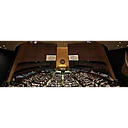
Ad Hoc of the Secretary General
Expert · EnglishHints coming soon!
Ad-Hoc Specialized Agency
Expert · EnglishHints coming soon!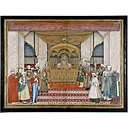
A Mughal Game of Thrones Advanced Crisis: The succession of Shah Jahan, 1658-1959
Expert · EnglishThe Mughal Empire , once one of the wealthiest and most powerful in the world , now teeters on the edge of collapse. Emperor Shah Jahan, the mighty ruler and visionary builder of the Taj Mahal, lies ill and incapacitated. As his health falters, the question of succession , a long-standing tension within the Mughal dynasty , becomes a matter of utmost urgency. Unlike European monarchies, the Mughal Empire does not follow a strict law of primogeniture , succession must be seized, not inherited. Shah Jahan’s four ambitious sons , Dara Shikoh, Shuja, Murad, and Aurangzeb , each command their own treasuries, armies, and territories with near autonomy. Each believes he is the rightful heir to the Peacock Throne and is prepared to fight tooth and nail for the title. Court factions quickly form around the princes, while regional governors, military commanders, and religious leaders begin calculating where their interests lie. Rumours of rebellion, foreign intervention, and political scheming swirl through the corridors of power. Meanwhile, the empire faces mounting external threats. The Rajput kingdoms, traditionally allies, yet fiercely independent , see opportunity in imperial weakness. Sikh leaders in Punjab and the Deccan Sultanates in the south watch carefully, ready to break away or bargain for advantage. Even foreign powers like the Safavid Persians and European trading companies lurk at the empire’s edges, poised to tip the balance in exchange for influence and wealth. This advanced crisis committee simulates the Imperial Court of the Mughal Empire in 1658, with delegates assuming roles ranging from imperial advisors and nobles to military commanders, foreign envoys, and royal family members. As civil war looms, the committee must navigate court intrigue, manage disintegrating central authority, maintain unity, and confront the rising ambitions of Shah Jahan’s sons. Will you preserve the greatness of the Mughal Empire , or will history mark this Imperial Court as the beginning of its descent into anarchy and decline? The empire’s fate rests in your hands.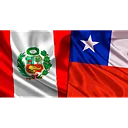
ICJ: The Chilean-Peruvian Maritime Dispute, 2014
Expert · EnglishAt The Hague, the stakes are as vast as the waters in question. Peru and Chile clash before the International Court of Justice over a 38,000 square kilometer stretch of the Pacific Ocean, rich in fishing resources and strategic value. With historical treaties under scrutiny and national pride on the line, the court’s ruling could reshape maritime borders, economies, and diplomatic relations. Will this be a defining moment for international law, or will tensions spill beyond the courtroom and into the open sea?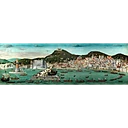
JCC - Republic of Venice vs Republic of Genoa
Intermediate · EnglishThe year is 1350. The Black Plague has swept through Europe, leaving devastation in its wake. In the Mediterranean, the scars of the pandemic are fresh, but the wheels of history continue to turn. Amidst crumbling populations and widespread grief, two maritime republics, Venice and Genoa, stand at a crossroads. Long-standing rivals in commerce and sea power, the two city-states now find themselves on the brink of all-out war. As tensions rise in the East and trade routes become battlegrounds, war threatens not just wealth, but survival. The consequences of this conflict ripple across the region. With vital trading posts in the Levant, North Africa, and the Black Sea, both republics are deeply entangled in a fragile web of alliances and rivalries. The plague has crippled labor forces, undermined economies, and weakened city defenses, yet the thirst for power persists. As swords are drawn and fleets set sail, leaders must weigh the cost of war against the need for dominance in the Mediterranean. At the same time, a new cultural force is beginning to stir. In the ashes of tragedy, seeds of rebirth take root. Wealthy merchants and powerful families begin investing in art, learning, and philosophy, laying the foundations for what will become the Renaissance. Patronage becomes a tool of influence and legacy; paintings, sculptures, and public works now shape political power as much as armies do. Venice and Genoa must now grapple with far more than military tactics. The health of their cities, the stability of their economies, and the loyalty of allies are all on the line. Decisions about trade, religion, culture, and war will determine whether these republics thrive or fall. As the old world collapses and a new one begins to form, you will decide the future. Will you lead your city to greatness through strength, diplomacy, or patronage?
Producteurs et productrices acéricoles du Québec (PPAQ) – The Maple Syrup Cartel
Intermediate · EnglishThe year is 2012. Decades of dominance, and near-monopolization, of the maple syrup industry have led to significant cracks in its foundation. A mass shortage in 2008 prompted the creation of a strategic reserve, which was quickly overwhelmed in 2011 by a wave of overproduction. Prices plummeted, and emergency storage facilities were rushed into service. While the immediate issue of storage has been addressed, deeper concerns about unchecked production and price volatility remain. Tensions are rising within the PPAQ, with some members quietly considering an exit from the cartel due to fears of long-term instability. Compounding these concerns is the underwhelming performance of the latest international marketing efforts. While maple syrup sales have seen notable growth across the U.S., attempts to expand beyond North America have stumbled. Culinary contests in Japan have yielded limited exposure but negligible financial return. Education campaigns abroad have failed to replicate the success seen in Canada, and global consumer understanding of maple syrup remains shallow. With overproduction already an issue, plateauing profits are only intensifying the anxiety within the organization. However, perhaps the most alarming development is what the media is calling “The Great Canadian Maple Syrup Heist.” More than $30 million CAD worth of syrup has mysteriously vanished from a newly constructed storage facility. The product remains unaccounted for, and the theft has rapidly evolved into both a financial disaster and a public relations nightmare. Many within the cartel fear the loss represents more than just product, it threatens their legacy. With farms still recovering from the Great Recession, this loss hits especially hard. Now, with market instability, stagnant international growth, and a major theft hanging over them, the PPAQ faces one of its most difficult chapters. Delegates must come together to address these escalating challenges before the once-mighty maple syrup empire begins to crumble under its own weight.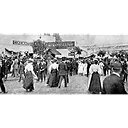
Absolute Cinema: The Cinematographe Lumière Board of Directors, 1897
Intermediate · EnglishSince the dawn of the 20th century, the movie industry has experienced a whirlwind of technological breakthroughs. From flickering black-and-white images to the dazzling realism of CGI, cinema has never stood still. Yet one constant remains: film continues to reflect the spirit of its age, its fears, hopes, ideals, and imagination. Just two years ago, the Lumière brothers held the world’s first public film screening. A 50-second clip of a train pulling into a station sent moviegoers into a frenzy, convinced the locomotive would burst through the screen and into the theater. Following a wildly successful global tour showcasing their “moving pictures,” the brothers have now settled in Alexandria, determined to establish the world’s first unified film industry, a body capable of shaping this revolutionary medium’s future. The Cinematograph Lumière Board now stands at a historic crossroads. Delegates must navigate the emerging role of cinema: as entertainment, yes, but also as an increasingly powerful tool for national storytelling, cultural expression, and political messaging. With Hollywood on the rise, questions around monopolies, globalization, and ideological influence are no longer distant hypotheticals, they are urgent, looming challenges. How will the Board promote peace in a cutthroat, quickly commercializing industry? How can filmmakers balance creativity with technological innovation, and where do they draw the line between cinema as art, cinema as propaganda, and cinema as public discourse? There will be growing pains, from managing public fear of new visual technology to overcoming the limitations of the Lumière camera and projector. Delegates will also face pressing questions: What kinds of stories should we tell? Who are our audiences? What global standards, if any, should be set? Georges Méliès, a pioneer in cinematic storytelling and visual effects, once remarked: “Behind every lens lies a portal to another world.” The Lumière Board must now decide what kind of world cinema will reflect, and create. International cooperation will be key as the Board mediates competing interests: domestic censorship vs. artistic freedom, technological access vs. market control, and global exposure vs. cultural preservation. Onward, directors! The lights are on, the reel is turning, and the future of cinema is ready to unfold.
JCC: The Cola Wars (Coca-Cola vs. PepsiCo)
Intermediate · EnglishThe year is 1893. For the past seven years, Jacob’s Pharmacy’s revolutionary beverage, “Coca-Cola,” has carved out a dominant position in the emerging soda industry. But its hold on the market is about to be challenged. Caleb’s Pharmacy has just introduced its own fizzy rival, a drink originally named “Brad’s Drink,” now known around the world as “Pepsi.” This moment marks the beginning of a legendary rivalry , one that starts in the American South but soon stretches across borders and generations. Over the next 150 years, Coca-Cola and PepsiCo will engage in a high-stakes competition not only for dominance in the beverage industry, but also for cultural influence, market control, and global recognition. In this committee, delegates step into the role of each brand’s Board of Directors, tasked with steering their company through a century and a half of corporate warfare. Your mission: increase your company’s stock value above that of your rival by making smart, forward-thinking decisions. Whether through bold advertising campaigns, clever brand positioning, or ambitious product development, the strategy is yours to define — but be warned: every decision comes with risk, and short-term gains can lead to long-term consequences. As world events unfold, new regions and markets will open up for competition. What begins as a local rivalry will become a global battle for influence, shaped by historical shifts and consumer trends. Success will depend on how effectively you adapt, invest, and innovate. With maps, stock trackers, and shifting dynamics at play, every round of decision-making counts. It’s a game of legacy, vision, and bold ambition. 150 years of cola wars await. Choose wisely , and may the best brand win.
United Nations Committee on the Peaceful Uses of Outer Space (COPUS)
Expert · EnglishThis committee challenges delegates to develop innovative solutions that ensure a peaceful, secure, and sustainable international space frontier. As outer space becomes increasingly militarized, with military satellites capable of targeting Earth and heightened geopolitical competition, the need for effective space governance has never been more pressing. Established in 1959, the Committee on the Peaceful Uses of Outer Space (COPUOS), operating under the United Nations Office for Outer Space Affairs (UNOOSA), seeks to promote international cooperation in the peaceful exploration and use of outer space. In an era of rising global tensions and rapid technological advancement, this committee will emphasize the importance of inclusive, transparent governance structures that reflect the voices of all nations, developed and developing alike. Delegates will collaborate to shape frameworks that uphold the principles of peace, security, equity, and sustainability. The subtopic will focus on the environmental impacts of space activity, emphasizing the roles of international cooperation, regulation, and innovation in ensuring a sustainable and peaceful relationship between Earth and outer space. Delegates will assess the environmental implications of increasing activity from national governments, private industries, research institutions, and military actors. Issues such as space debris, orbital congestion, and long-term planetary protection will require serious diplomatic engagement. The discussion will also consider how the rapid growth of the private space sector, evolving technologies, global power imbalances, and conflicting interests, both between states and between public and private entities, impact efforts to preserve space as a global commons. Delegates will propose viable strategies for environmentally conscious space governance that prioritize sustainability while balancing the diverse ambitions of international stakeholders.
Pressing Matters: The Washington Post – Bezos Acquisition
Intermediate · EnglishIn 2013, The Washington Post comes under the ownership of Jeff Bezos, one of the world’s wealthiest individuals, who acquires it for $250 million. The Post stands as a pillar of the American political media landscape, renowned for its reporting on government overreach, including the publication of the Pentagon Papers and the exposure of the Watergate scandal. Bezos aims to transform the Post into a profitable, globally recognized news entity, a move that divides opinion across the media world. Some welcome the business acumen and transformative vision of Bezos, who rises to prominence and fortune through Amazon’s online retail revolution. Others, however, raise concerns that this acquisition reflects a troubling trend: the growing consolidation of U.S. media in the hands of powerful individuals and corporate giants. The Bezos acquisition marks a critical turning point in the intersection of technology, media, and journalism in the United States. Delegates must now navigate the fallout from the Post’s ownership change and decide the future of one of the nation’s most recognizable and trusted sources of political reporting. First, they debate whether to fully embrace digital media at the expense of the Post’s print services. Should the newspaper focus on expanding its digital audience, even if it risks alienating loyal readers who lack reliable internet access? Does the Post ride the wave of digital transformation or maintain its traditional print presence? Next, the committee addresses the crucial issue of media ethics and editorial independence. Ownership by a multi-billionaire with a vast business empire introduces the risk that critical reporting could be softened, or censored entirely, to protect those interests. Delegates must explore how to safeguard the Post’s commitment to fearless investigative journalism. Finally, labor concerns come into focus. Amazon is widely criticized for its treatment of workers and its resistance to unionization. Delegates must determine whether to protect Post employees from similar labor practices or prioritize profitability and business efficiency. This committee challenges delegates to confront the complex themes of media consolidation, the evolution of journalism, and the growing influence of powerful corporate figures in shaping the political narrative.
Organizers

More MUN conferences
CanadaMUN conferences in Canada North AmericaMUN conferences in North America November 2025MUN conferences in November 2025 High school MUNMUN conferences for high school students
ConferencesCanadaSSUNS 2025